Smart Home Devices
Are Smart Plugs Worth It for Saving Energy?
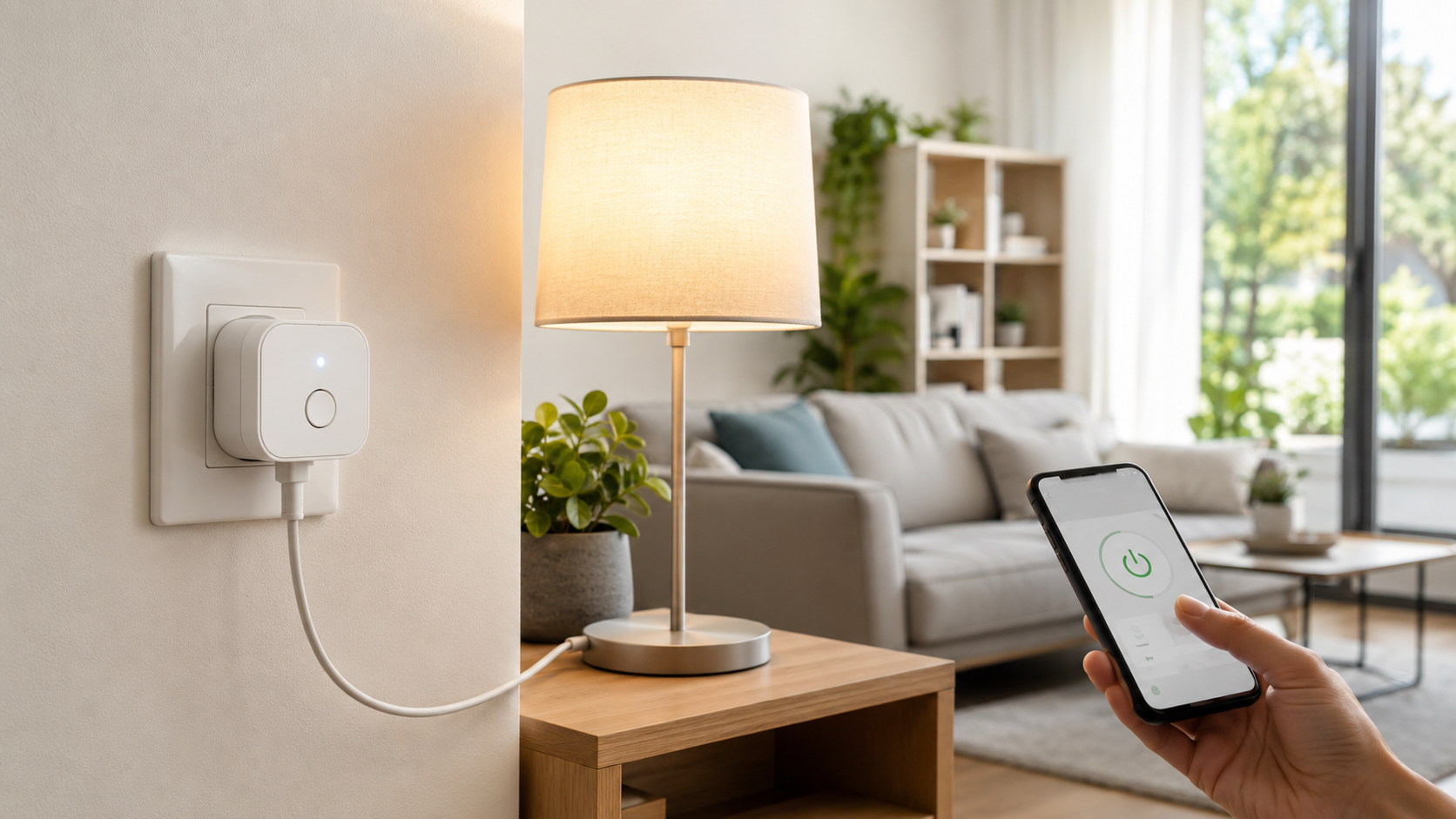
Smart plugs are one of the easiest smart home devices to buy and install. You plug them into an outlet, connect them to Wi-Fi or a smart home app, and then control whatever is plugged into them. They can schedule lamps, turn off electronics, measure energy use on some models, and make certain devices easier to manage.
But are smart plugs actually worth it for saving energy? The honest answer is: sometimes. A smart plug can reduce waste when it controls the right device in the right situation. It can also be a poor investment if it is used on devices that already consume very little energy or need to stay on all the time.
Quick Answer
Smart plugs are worth it for saving energy when they help you turn off devices that would otherwise stay on unnecessarily. They are most useful for lamps, entertainment centers, desk setups, chargers, decorative lighting, and some small appliances that do not need constant power.
They are not worth it if you use them randomly, plug them into low-consumption devices, or buy them without a clear energy problem to solve. A smart plug uses a small amount of energy itself, so it should create more benefit than it consumes.
How Smart Plugs Work
A smart plug is a controllable outlet adapter. It sits between a wall outlet and the device you want to control. Depending on the model, it may connect through Wi-Fi, Bluetooth, Zigbee, Z-Wave, Matter, or another smart home protocol.
Most smart plugs let you turn power on or off from an app. Many also support schedules, timers, voice assistant integration, automation rules, and energy monitoring. The exact features vary by model.
Common smart plug features
- Remote on and off control
- Daily or weekly schedules
- Countdown timers
- Voice assistant compatibility
- Energy usage monitoring on some models
- Automation with other smart home devices
- Away mode or randomized lighting schedules on some models
The energy-saving value comes from control and visibility. If a smart plug helps you stop unnecessary runtime or understand device consumption, it can be useful.
When Smart Plugs Can Save Energy
Smart plugs save energy only when they change what would have happened otherwise. If a device was already turned off manually, the smart plug may not add much. If a device often stayed on by accident, a smart plug schedule may reduce waste.
Smart plugs can help when:
- You often forget to turn off lamps or decorative lighting.
- Entertainment devices stay idle for long periods.
- Chargers or accessories remain plugged in unnecessarily.
- You want to schedule equipment that should not run all day.
- You need to measure how much energy a small device uses.
- You want remote control for non-critical devices.
A smart plug is most useful when it solves a repeated behavior problem. For example, a lamp that stays on every night after everyone goes to bed is a better candidate than a rarely used charger that consumes almost nothing.
Related guide: Energy-Saving Myths That Can Actually Cost You Money .
When Smart Plugs Are Not Worth It
Smart plugs are not automatically useful. They cost money, take time to configure, depend on connectivity, and use a small amount of electricity. If the controlled device already uses very little energy or is already managed well, the savings may be minimal.
Smart plugs may not be worth it when:
- The device already turns off automatically.
- The device must remain on all the time.
- The device uses almost no standby power.
- You will not use schedules, timers, or monitoring.
- The smart plug costs more than realistic savings.
- The device is unsafe to switch remotely.
For example, using a smart plug on a router may create more problems than benefits if turning it off disrupts internet access, security devices, or smart home controls. Always think about what happens when the device loses power.
Best Devices to Use With Smart Plugs
The best smart plug candidates are devices that are safe to switch off, often forgotten, and not critical to health, safety, refrigeration, networking, or home security.
Good candidates
- Floor lamps and table lamps
- Holiday lights and decorative lighting
- Desk lighting
- Entertainment centers
- Speakers and media accessories
- Chargers for devices that do not need constant charging
- Coffee makers only if the manufacturer allows it and use is safe
- Small fans only when rated and used safely
Lamps are often the easiest starting point. They are visible, easy to schedule, and safe to turn off when not needed. Entertainment centers can also be useful if multiple devices remain idle for long periods.
Devices You Should Avoid Using With Smart Plugs
A smart plug should never be used as a shortcut around safety. Some devices should not be switched remotely or placed on a plug that may not be rated for their load. Always check the smart plug rating and the device manual.
Avoid using smart plugs with:
- Medical devices or safety-critical equipment
- Refrigerators and freezers unless specifically appropriate and carefully evaluated
- Space heaters unless the manufacturer explicitly allows smart plug use
- Air conditioners or high-load appliances not supported by the plug rating
- Washing machines, dryers, ovens, or major appliances unless specifically designed for it
- Routers or security systems that need continuous power
- Anything that creates fire, heat, water, or safety risk if switched unexpectedly
High-power devices require extra caution. If the plug, outlet, cord, or device feels hot, smells unusual, trips breakers, or behaves unexpectedly, stop using it and consult a qualified professional.
Energy Monitoring Smart Plugs
Some smart plugs include energy monitoring. These can show estimated electricity use for the connected device. This feature can be more valuable than simple remote control because it helps you understand whether a device is actually worth managing.
Energy monitoring can help you learn:
- How much electricity a device uses while running
- Whether standby power is meaningful
- How long a device runs each day
- Whether a schedule could reduce waste
- Which devices are not worth worrying about
Monitoring is useful because it replaces guessing with data. You may discover that one device uses less than expected while another runs longer than you realized.
Related guide: How to Read Your Electricity Bill and Spot Energy Waste .
Using Schedules and Automation
Scheduling is one of the most practical smart plug features. A schedule can turn devices off at night, shut down desk equipment after work hours, or control decorative lights automatically.
Useful schedule examples
- Turn decorative lights off at bedtime.
- Turn desk lamps off after work hours.
- Power down media accessories overnight.
- Turn off chargers after a set period.
- Run a lamp on a limited evening schedule instead of leaving it on all night.
Keep schedules simple. Overly complex automations can become annoying and may be disabled later. The best automation is the one that quietly prevents repeated waste without interfering with normal life.
Privacy and Cybersecurity Considerations
A smart plug is an internet-connected device if it uses Wi-Fi or cloud services. That means it should be treated like part of your home network, not just a basic outlet accessory.
Smart plug security basics
- Use a strong, unique password for the smart home account.
- Enable multi-factor authentication if available.
- Keep the app and firmware updated.
- Buy from reputable brands with update support.
- Review app permissions and shared access.
- Remove devices from your account before selling or giving them away.
- Consider a guest or IoT network if your router supports it.
Smart plugs are convenient, but convenience should not come with careless account security. A basic security routine helps reduce risk.
Related guide: Smart Thermostat vs Programmable Thermostat: Which One Is Better? .
Smart Plug Buying Checklist
Before buying a smart plug, use this checklist to avoid wasting money.
- What exact device will it control?
- Is that device safe to switch remotely?
- Does the device exceed the plug’s electrical rating?
- Will scheduling or monitoring solve a real problem?
- Does the plug support your smart home platform?
- Does it offer energy monitoring if you need data?
- Does the brand provide firmware updates?
- Will the plug block nearby outlets?
- Is the expected benefit greater than the cost?
If you cannot name the device and the specific problem the smart plug will solve, wait before buying. Start with habits and observation first.
What to Avoid
Smart plugs can be useful, but they should not be used carelessly. Avoid treating them as universal energy savers or safety switches.
- Do not use smart plugs with devices that exceed their rating.
- Do not use them with safety-critical equipment.
- Do not control heaters or high-load appliances unless explicitly allowed.
- Do not rely on remote control for unsafe unattended operation.
- Do not ignore warm plugs, damaged cords, sparks, smells, or tripped breakers.
If a device involves heat, motors, compressors, water, medical use, security, or high electrical load, be cautious. When unsure, follow manufacturer guidance or ask a qualified professional.
Frequently Asked Questions
Are smart plugs worth it for saving energy?
Smart plugs can be worth it when they control devices that waste energy while idle, run unnecessarily, or are easy to forget. They are less useful when placed on devices that already use very little energy or need to stay on continuously.
Do smart plugs use electricity?
Yes. Smart plugs use a small amount of electricity to stay connected and respond to commands. Because of that, they should be used where scheduling, monitoring, or remote control provides a real benefit.
What should not be plugged into a smart plug?
Avoid plugging in devices that exceed the smart plug rating, medical devices, safety-critical equipment, unsupported major appliances, and anything that could create a hazard if switched remotely.
Can smart plugs lower standby power?
Yes, they can reduce standby power for some electronics by fully turning them off on a schedule. However, the smart plug itself uses some power, so savings depend on the device and usage pattern.
Are energy-monitoring smart plugs better?
They can be better if your goal is to understand actual device usage. Monitoring helps you decide whether a device is worth scheduling, replacing, unplugging, or ignoring.
Final Thoughts
Smart plugs can be useful energy-saving tools, but only when used with purpose. They work best for devices that are safe to control, frequently forgotten, or useful to schedule. They are not magic energy savers, and they are not appropriate for every appliance.
Before buying several smart plugs, start with one or two clear use cases. Measure or observe the result, then decide whether more plugs make sense. A smart device is worth it when it solves a real problem, not when it simply adds another app to your home.
Continue reading: Smart Thermostat vs Programmable Thermostat: Which One Is Better? .