Energy Saving
Home Insulation Mistakes That Waste Energy
Home insulation is easy to ignore because most of it is hidden behind walls, above ceilings, or under floors. But insulation problems can quietly waste energy every day by letting heat move in or out of the home more easily than it should.
When insulation is missing, compressed, poorly installed, or surrounded by air leaks, heating and cooling systems often need to run longer to keep the home comfortable. The result can be higher energy use, uneven temperatures, and rooms that never feel quite right.
Quick Answer
The most common home insulation mistakes that waste energy are ignoring air leaks, having too little attic insulation, compressing insulation, leaving gaps around doors and windows, overlooking basements or crawl spaces, blocking needed ventilation, and using materials that do not fit the space.
The best fixes are to seal air leaks first, check attic insulation depth, keep insulation fluffy and dry, weatherstrip doors and windows, insulate overlooked areas, and avoid blocking ventilation paths that help control moisture.
Ignoring Air Leaks
One of the biggest insulation mistakes is focusing only on insulation thickness while ignoring air leaks. Insulation slows heat transfer, but gaps and cracks can let conditioned air escape and outdoor air enter the home.
A home can have plenty of insulation and still waste energy if air is leaking around openings, penetrations, and poorly sealed joints.
Common air leak locations
- Around attic hatches
- Around recessed lights
- Plumbing and wiring penetrations
- Gaps around exterior doors
- Window frames
- Basement rim joists
- Fireplace dampers
- Wall outlets on exterior walls
Air sealing is often the first step because insulation performs better when uncontrolled air movement is reduced.
Poor Attic Insulation
Attics are one of the most important places to check because heat naturally moves upward. If attic insulation is thin, uneven, missing, or damaged, the home may lose heat in winter and gain extra heat in summer.
Signs attic insulation may be poor
- Rooms below the attic feel too hot or too cold
- Heating or cooling runs for long periods
- Insulation looks uneven or patchy
- You can see ceiling joists above the insulation
- There are signs of moisture, pests, or damage
- Some rooms are much less comfortable than others
Adding insulation can help, but it should usually come after sealing major air leaks. Otherwise, air may continue escaping through the same gaps.
Compressing Insulation
Insulation works partly because it traps air. When insulation is compressed, stuffed too tightly, or crushed under storage boxes, it can lose some of its effectiveness.
Common causes of compressed insulation
- Storage items placed directly on attic insulation
- Insulation squeezed into shallow spaces
- Batts forced around pipes or wires
- People walking over insulation
- Insulation installed behind tight wall cavities incorrectly
- Heavy debris or moisture weighing it down
Insulation should fit the space without being crushed. In attics used for storage, raised platforms may be needed so storage does not flatten insulation.
Gaps Around Doors and Windows
Doors and windows are common sources of energy loss. Even small gaps can let air leak in and out, making rooms feel drafty and forcing heating or cooling systems to work harder.
Simple places to check
- Weatherstripping around exterior doors
- Door sweeps
- Window frames
- Caulk around trim
- Sliding glass doors
- Old or loose seals
- Gaps where daylight is visible
Weatherstripping and caulking are simple improvements, but they should be applied carefully. The goal is to reduce unwanted drafts without trapping moisture in the wrong places.
Ignoring Basements and Crawl Spaces
Basements, crawl spaces, and floors over unconditioned areas can contribute to energy waste. Cold floors, musty smells, drafts, and uneven temperatures may point to insulation or air sealing problems below the living space.
Areas often overlooked
- Rim joists
- Crawl space walls
- Floors over garages
- Floors over open crawl spaces
- Basement windows
- Pipe and duct penetrations
- Access doors
Moisture control matters in these spaces. Insulation that gets wet can perform poorly and may create other problems if the source of moisture is not fixed.
Blocking Needed Ventilation
Adding insulation without understanding ventilation can create problems. Some areas, especially attics, may need proper airflow to help manage heat and moisture.
A common mistake is pushing insulation into vents or blocking soffit airflow. This can reduce ventilation and may contribute to moisture buildup.
Ventilation mistakes to avoid
- Blocking soffit vents with insulation
- Covering attic ventilation paths
- Ignoring bathroom fan venting
- Venting moist air into the attic
- Adding insulation over unresolved moisture problems
- Assuming every gap should be sealed without context
Air sealing and insulation are important, but they should work with the home's ventilation needs, not against them.
Using the Wrong Insulation Materials
Not every insulation material is right for every space. Some materials are better for open attics, others for walls, crawl spaces, rim joists, or small gaps. Using the wrong product can reduce performance or create installation problems.
Material selection mistakes
- Using indoor materials in damp areas
- Stuffing fiberglass into gaps that need air sealing
- Ignoring moisture exposure
- Choosing material only by price
- Using insulation where fire-rated materials are required
- Installing products without following safety guidance
For complex areas, professional guidance may be safer and more effective than guessing.
Forgetting Small Access Points
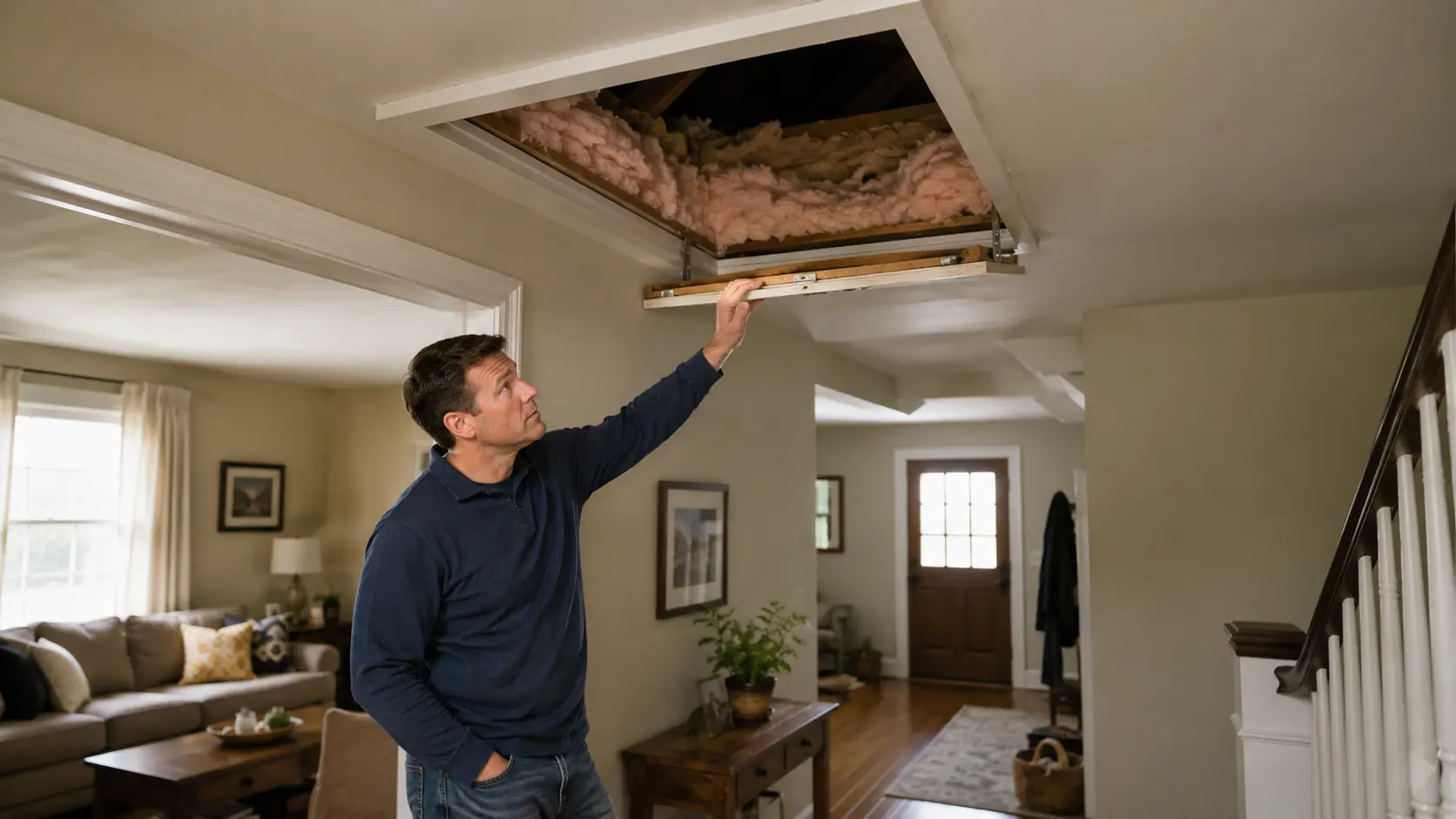
Small access points can become large sources of energy waste over time. Attic hatches, pull-down stairs, crawl space doors, and utility panels are often less insulated than the surrounding areas.
Small areas worth checking
- Attic hatch covers
- Pull-down attic stairs
- Crawl space access doors
- Knee wall doors
- Utility access panels
- Garage entry doors
- Laundry room exterior doors
These areas may need both insulation and sealing. A small gap around an access panel can create drafts even if the rest of the room is well insulated.
Better Insulation Habits
Improving insulation is not always about doing a major renovation. Many homes benefit from a practical inspection of leaks, weak areas, damaged insulation, and overlooked access points.
Simple habits that reduce insulation-related waste
- Check for drafts around doors and windows
- Seal obvious air leaks before adding more insulation
- Inspect attic insulation for thin or uneven areas
- Keep insulation dry and uncompressed
- Avoid blocking attic ventilation paths
- Check crawl spaces and basement rim joists
- Insulate attic hatches and access doors
- Get professional help for moisture, electrical, or safety concerns
The best insulation strategy controls air leaks, supports proper ventilation, and keeps the thermal boundary of the home consistent.
Frequently Asked Questions
What insulation mistake wastes the most energy?
Ignoring air leaks is one of the biggest mistakes. Even with good insulation, gaps and cracks can let conditioned air escape and outdoor air enter the home.
Should I seal air leaks before adding insulation?
In many cases, yes. Sealing major air leaks first can help insulation perform better and reduce unwanted drafts.
Can too much insulation be a problem?
More insulation is not always better if it blocks needed ventilation, traps moisture, or is installed incorrectly. The right approach depends on the space and the home.
Why does compressed insulation perform poorly?
Many insulation materials work by trapping air. When insulation is compressed, it can lose some of that trapped air space and become less effective.
Where should I check insulation first?
The attic is often a good place to start, especially if rooms below it are uncomfortable. Doors, windows, crawl spaces, and basement rim joists are also common problem areas.
Final Thoughts
Home insulation mistakes often waste energy quietly. Thin attic insulation, air leaks, compressed materials, drafty doors, ignored crawl spaces, and blocked ventilation can all make heating and cooling systems work harder.
Start with the basics. Look for drafts, seal obvious leaks, check attic insulation, keep materials dry and uncompressed, and avoid blocking ventilation. A well-sealed and properly insulated home is usually easier to keep comfortable with less energy waste.
Continue reading: Air Conditioner Mistakes That Waste Energy at Home .