Heating & Cooling
How to Keep Your House Cool Without Running the AC All Day
Keeping your house cool does not always mean running the air conditioner all day. In many homes, the best results come from reducing heat before it builds up, improving airflow, blocking sunlight, and using cooling equipment more strategically.
The goal is not to avoid air conditioning completely. The goal is to make your home more comfortable while reducing unnecessary AC runtime, especially during hot afternoons and evenings.
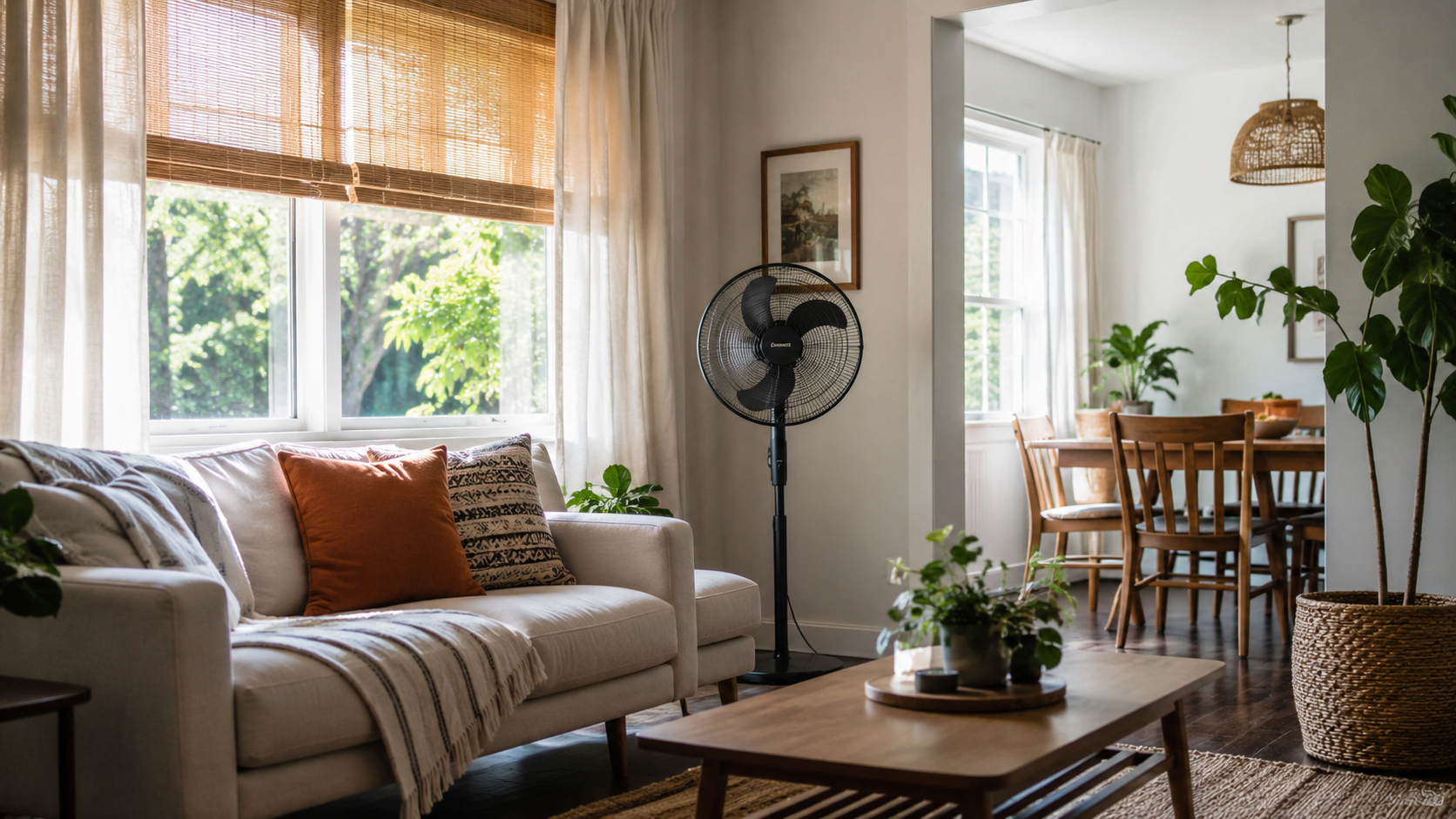
Quick Answer
To keep your house cool without running the AC all day, block direct sunlight, close blinds during hot hours, use fans only in occupied rooms, avoid cooking or drying clothes during peak heat, ventilate when outdoor air is cooler, and use the AC strategically instead of constantly.
Small changes work best when combined. One fan or one closed curtain may not solve the problem alone, but a routine that reduces heat gain and improves airflow can make the home feel noticeably more comfortable.
Reduce Heat Gain First
The most effective cooling strategy is to prevent heat from building up in the first place. Once walls, floors, furniture, and indoor air absorb heat, the AC has to work harder to bring the home back to a comfortable temperature.
Simple ways to reduce heat gain
- Close blinds before rooms overheat
- Keep exterior doors closed during hot hours
- Use curtains on sunny windows
- Limit oven and stovetop use during the hottest part of the day
- Turn off unnecessary lights and electronics
- Avoid leaving windows open when outdoor air is hotter than indoor air
Related guide: How to Reduce Your Electricity Bill in Summer Without Expensive Upgrades .
Block Direct Sunlight
Sunlight through windows can heat rooms quickly. South-facing and west-facing windows often create the biggest cooling problems, especially in the afternoon.
Blocking sunlight before the room gets hot is usually more effective than closing curtains after the heat has already built up.
Practical sunlight-control ideas
- Close blinds or curtains before peak sun hours
- Use light-colored curtains where appropriate
- Add temporary shades in rooms that overheat
- Use exterior shade when available
- Keep sunny rooms closed off if they are not being used
Use Fans Correctly
Fans can help people feel cooler, but they do not actually lower the temperature of an empty room. They work by moving air across your skin, which improves comfort.
This means fans are useful when people are in the room. Leaving fans running in empty rooms usually wastes electricity.
Fan tips that help
- Use fans in occupied rooms
- Turn fans off when leaving the room
- Use ceiling fans in the correct seasonal direction
- Pair fans with a slightly higher thermostat setting
- Avoid using fans as a substitute for fixing serious heat problems
Ventilate at the Right Time
Opening windows can help or hurt depending on outdoor conditions. If the outdoor air is cooler than indoor air, ventilation may help remove built-up heat. If the outdoor air is hotter, opening windows can make the home warmer.
Better ventilation habits
- Open windows early in the morning if outdoor air is cooler
- Close windows before outdoor temperatures rise
- Use cross-ventilation when safe and practical
- Avoid bringing in hot, humid air during peak heat
- Use window screens and security precautions where needed
Avoid Adding Heat Indoors
Many everyday activities add heat indoors. Cooking, laundry, dishwashing, electronics, lighting, and long appliance cycles can all make rooms warmer.
You do not need to stop these activities completely. Instead, shift heat-producing tasks away from the hottest hours when possible.
Heat-reduction habits
- Cook earlier or later when possible
- Use small appliances instead of the oven when practical
- Run dishwashers during cooler parts of the day
- Avoid running the dryer during peak heat
- Turn off unused electronics and lighting
- Keep doors closed to rooms that are not being used
Use a Better Thermostat Strategy
A better thermostat strategy can reduce AC runtime without sacrificing comfort. The biggest mistake is setting the thermostat extremely low because the home feels hot. In many systems, that does not cool the home faster. It usually just makes the system run longer.
Thermostat habits to consider
- Choose the highest comfortable cooling setting
- Avoid extreme temperature targets
- Use schedules if your routine is predictable
- Use fans to support comfort in occupied rooms
- Avoid constant manual overrides
- Review usage patterns if you have a smart thermostat
Related guide: Smart Thermostat Settings That Can Reduce Energy Waste .
Seal Simple Air Leaks
Air leaks around doors and windows can let hot outdoor air enter and cooled indoor air escape. Simple draft control can help rooms stay more comfortable and reduce wasted cooling.
Simple places to check
- Exterior door gaps
- Window edges
- Attic access panels
- Pet doors
- Old weatherstripping
- Gaps around window AC units
For electrical openings, attic work, moisture issues, or large gaps, use caution and consider qualified help. Sealing should not block required ventilation or create moisture problems.
Focus on Key Rooms
Instead of trying to keep every room equally cool all day, focus on the rooms people actually use. A bedroom, living room, or home office may deserve more attention than a guest room or storage space.
Room-focused cooling ideas
- Close curtains in unused sunny rooms
- Keep doors closed to rooms that overheat
- Use fans in occupied rooms only
- Move activities away from the hottest rooms when possible
- Keep bedroom heat under control before bedtime
Common Cooling Mistakes
Some cooling habits feel helpful but can increase energy use or make the home less comfortable over time.
Avoid these mistakes
- Leaving blinds open during direct sun
- Running fans in empty rooms
- Opening windows when outdoor air is hotter
- Setting the thermostat extremely low
- Using the oven during peak heat when avoidable
- Ignoring dirty filters or blocked vents
- Assuming one cooling trick will solve every problem
If the home stays hot even with reasonable cooling habits, the issue may involve insulation, ductwork, HVAC performance, airflow, attic heat, or window quality.
Frequently Asked Questions
Can I keep my house cool without using AC?
Sometimes, depending on climate, outdoor temperature, humidity, shade, insulation, and airflow. In very hot or humid conditions, AC may still be necessary for comfort and safety.
Do fans cool a room?
Fans help people feel cooler by moving air, but they do not lower the temperature of an empty room. Turn them off when nobody is using the room.
Should I close blinds during the day?
Yes, especially on windows that receive direct sunlight. Closing blinds or curtains before rooms heat up can reduce indoor heat gain.
Is it better to leave the AC running all day?
Not always. A reasonable schedule or higher cooling setpoint may reduce waste while keeping the home comfortable. The best approach depends on your home and climate.
Why does my house stay hot at night?
Walls, attic spaces, floors, and furniture can hold heat from the day. Poor ventilation, sun exposure, insulation issues, or limited airflow can also contribute.
Final Thoughts
Keeping your house cool without running the AC all day is mostly about prevention. Block sunlight, reduce indoor heat, use fans correctly, ventilate at the right times, and avoid thermostat habits that make the system run longer than needed.
Start with the rooms that matter most and build a simple cooling routine. Small habits repeated daily can make the home more comfortable and reduce unnecessary cooling waste.
Continue reading: How to Reduce Your Electricity Bill in Summer Without Expensive Upgrades .