Energy Saving
How to Lower Your Energy Bill as a Renter
Lowering an energy bill as a renter can feel frustrating because you do not control the building, the insulation, the HVAC system, or many of the larger upgrades that homeowners can choose. Still, renters often have more options than they think. While you may not be able to replace windows or install a new heating system, you can still reduce waste, improve comfort, and lower monthly utility costs through a mix of better habits, low-cost products, and landlord-approved improvements.
The key is to focus on changes that are practical, reversible, and safe. This guide explains how renters can save energy without major renovation work, while also respecting lease rules and avoiding unsafe DIY fixes.
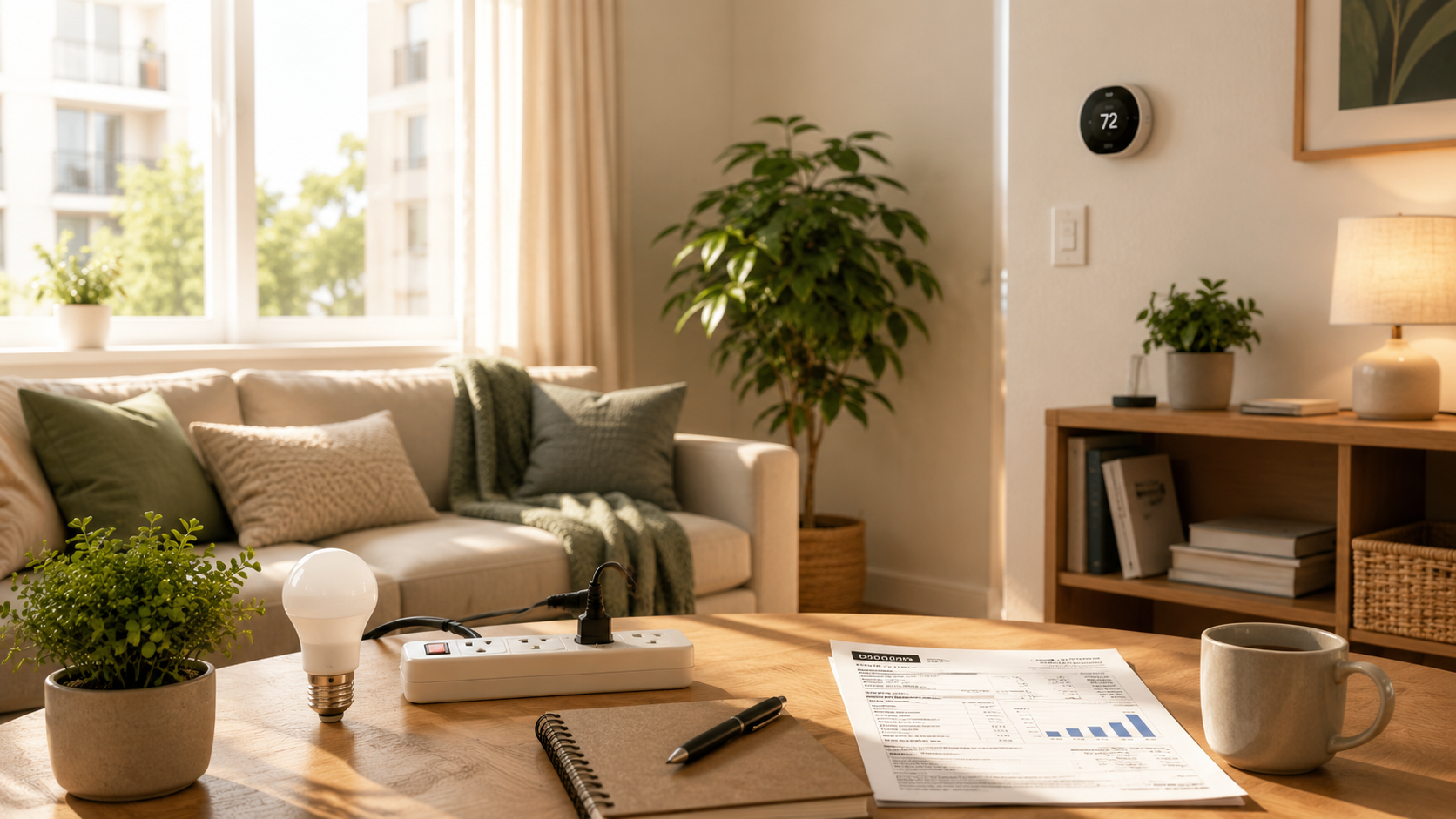
Start With Your Utility Bill and Lease
Before making changes, look at your utility bill and your rental situation. Some renters pay electricity only, while others pay electricity plus gas, water, or all utilities separately. Knowing what you are actually paying for helps you focus your effort in the right places.
It is also important to understand what your lease allows. Some improvements are harmless and temporary, while others may count as unauthorized modifications. Do not assume every energy-saving idea is allowed in a rental.
Check these basics first
- Which utilities are included in rent and which are billed separately?
- Is your bill higher in summer, winter, or all year long?
- Are you allowed to change bulbs, install removable films, or use adhesive draft products?
- Do you need landlord permission for thermostat changes or fixtures?
- Are there maintenance problems already affecting comfort or efficiency?
If you are not sure what is driving the bill, start by watching patterns. A spike in summer often points to air conditioning, while a spike in winter may relate to heating. A consistently high bill may suggest appliance use, hot water habits, lighting, or a property issue that needs attention.
Related guide: What Uses the Most Electricity in a Home? A Beginner’s Guide .
Lower Heating and Cooling Waste
Heating and cooling often have the biggest impact on energy bills. Even if you do not control the HVAC equipment, you can still reduce unnecessary runtime by being smarter about temperature settings, airflow, and room use.
The goal is not to make the home uncomfortable. The goal is to avoid forcing the system to work harder than necessary.
Practical renter-friendly HVAC habits
- Use the highest comfortable cooling setting during hot weather.
- Use the lowest comfortable heating setting during cold weather.
- Adjust the thermostat when leaving home, if you control it.
- Keep vents and return air paths clear of furniture and curtains.
- Close doors to unused rooms only if it does not interfere with airflow.
- Use ceiling or portable fans in occupied rooms to improve comfort.
Fans can help you feel cooler, but they do not actually cool the room. Turn them off when nobody is there. In many rentals, this simple habit can reduce wasted energy without reducing comfort.
If your rental has an AC unit or heating system that runs constantly, cools poorly, makes unusual noise, leaks, or smells unusual, that is not just an energy issue. It may be a maintenance issue that should be reported.
Related guide: How to Reduce Your Electricity Bill in Summer Without Expensive Upgrades .
Control Sunlight and Indoor Heat Gain
Many renters underestimate how much direct sunlight affects cooling costs. Sunlight warms floors, furniture, and indoor air. Once that heat builds up, your AC or fan setup has to work harder to keep the space comfortable.
Blocking heat before it builds up is often easier than cooling it down later.
Simple ways to reduce heat gain
- Close blinds or curtains during the hottest part of the day.
- Use light-colored or thermal curtains if your rental setup allows it.
- Open window coverings when daylight helps without overheating the room.
- Avoid using the oven during peak afternoon heat when possible.
- Use smaller appliances that produce less indoor heat for cooking.
If removable window film is allowed, it may help in some apartments with strong sun exposure. However, renters should always check lease rules first, because some films or adhesives may not be permitted.
Use Lighting More Efficiently
Lighting is one of the easiest renter-friendly efficiency improvements. If your rental unit still uses older incandescent or halogen bulbs in lamps or fixtures you are allowed to change, replacing heavily used bulbs with LED bulbs can reduce electricity use and lower heat output.
Renter-friendly lighting tips
- Replace frequently used bulbs with LEDs where allowed.
- Turn off lights in empty rooms.
- Use task lighting instead of lighting an entire room when practical.
- Choose brightness appropriate for the space instead of over-lighting.
- Use natural daylight when it is useful and does not overheat the room.
Even small changes matter when repeated every day. If several lamps or ceiling fixtures stay on for hours, efficient bulbs and better habits can reduce waste over time.
Related guide: LED Bulbs vs Incandescent Bulbs: Cost, Energy Use, and Lifespan .
Manage Appliances and Electronics
Renters often have less control over large built-in appliances, but they still control how electronics and small appliances are used. TVs, consoles, computers, chargers, coffee makers, microwaves, speakers, and other devices can add up, especially when left on or idle for long periods.
Cut small but frequent energy waste
- Turn off TVs, monitors, and consoles when not in use.
- Enable sleep mode on computers and streaming devices.
- Unplug rarely used chargers and accessories.
- Use safe power strips for grouped electronics.
- Avoid running half-loads in dishwashers or laundry machines when possible.
The point is not to obsess over every plug. The practical approach is to identify repeated waste. Devices left running all day, appliances used inefficiently, and unnecessary standby loads can all contribute to higher bills.
Kitchen habits that help
- Use the microwave or toaster oven for small meals when practical.
- Run the dishwasher only when it is reasonably full.
- Keep refrigerator doors closed as much as possible.
- Do not place hot food directly into the refrigerator.
- Report damaged refrigerator seals or cooling problems to the landlord.
If an old or malfunctioning appliance is part of the rental, that may be a building issue rather than a usage issue. It is reasonable to report poor appliance performance, especially if it appears to be increasing utility costs.
Reduce Hot Water Waste
If you pay for electricity or gas used for water heating, reducing hot water waste can make a meaningful difference. Showers, laundry, dishwashing, and running hot taps unnecessarily all increase energy use.
Hot water habits renters can improve
- Take shorter showers when practical.
- Do not leave hot water running unnecessarily.
- Wash clothes with cold water when appropriate for the load.
- Run full laundry loads when practical.
- Report leaks, dripping faucets, or running toilets promptly.
A dripping hot water faucet may look minor, but it wastes both water and the energy used to heat that water. Leaks and faulty fixtures are worth reporting.
Handle Drafts the Renter-Friendly Way
Drafts around windows and doors can make heating and cooling more expensive. The best renter approach is to use temporary or removable solutions, and to report serious sealing issues to the landlord.
Low-risk draft control ideas
- Use removable draft stoppers for doors.
- Use curtains to improve comfort near windows.
- Apply temporary weather-sealing products only if lease rules allow them.
- Check for obvious gaps around exterior doors and windows.
- Report damaged seals, cracked glass, or broken latches.
Do not use unsafe materials, block required ventilation, or interfere with appliance operation. Draft control should improve comfort, not create safety problems.
Related guide: How to Save Energy at Home: A Practical Room-by-Room Guide .
When to Talk to Your Landlord
Some energy problems are not really “renter problems.” They are property maintenance issues. If the unit has failing weatherstripping, broken appliances, damaged windows, faulty HVAC operation, unusual leaks, or other building-related issues, the landlord or property manager should be informed.
Examples worth reporting
- Air conditioner not cooling properly
- Heating system not maintaining a normal temperature
- Broken or loose window seals
- Exterior doors with major air gaps
- Leaking faucets or toilets
- Refrigerator not sealing or cooling properly
- Unusually high utility use tied to building equipment
When possible, describe the problem clearly and tie it to comfort, safety, or performance. A message such as “the AC runs continuously and the apartment still stays warm” is often more useful than simply saying “my bill is high.”
Quick Renter Energy Checklist
Use this checklist as a simple starting point:
- Check which utilities you actually pay for.
- Use curtains or blinds to reduce heat gain.
- Use thermostat settings more strategically.
- Turn fans off in empty rooms.
- Switch heavily used bulbs to LEDs where allowed.
- Turn off electronics and use sleep modes.
- Run laundry and dishwashers efficiently.
- Reduce unnecessary hot water use.
- Use temporary draft solutions if permitted.
- Report maintenance issues that affect efficiency.
What Renters Should Avoid
Some energy-saving ideas are not appropriate in a rental, especially if they create safety issues, violate lease terms, or modify the property without approval.
- Do not replace thermostats, fixtures, or wiring without permission and proper qualifications.
- Do not block vents, exhaust paths, or required ventilation openings.
- Do not overload outlets, power strips, or extension cords.
- Do not apply permanent modifications unless approved by the landlord.
- Do not ignore leaks, electrical problems, or HVAC issues.
If a task involves electrical work, HVAC repairs, structural changes, gas appliances, or permanent installation, contact the property owner or a qualified professional.
Frequently Asked Questions
Can renters really lower their energy bills?
Yes. Renters can often lower bills by changing daily habits, reducing cooling and heating waste, using lighting more efficiently, controlling sunlight, reducing hot water waste, and reporting maintenance issues that affect efficiency.
What are the best energy-saving changes for renters?
Some of the best renter-friendly changes include using curtains strategically, adjusting thermostat habits, replacing heavily used bulbs with LEDs where allowed, turning off unused electronics, reducing shower length, and using temporary draft control products if permitted.
Should renters make permanent energy-efficiency upgrades?
Usually not without clear approval. Renters should focus first on temporary, removable, or landlord-approved improvements. Permanent changes may violate lease terms or create liability problems.
When should a renter contact the landlord about high energy use?
Contact the landlord when there are clear maintenance issues such as leaking faucets, failing appliances, damaged seals, broken windows, unusual HVAC behavior, or property problems that appear to be contributing to higher utility costs.
Is it worth buying smart devices as a renter?
Sometimes, but not always. A smart plug or similar device can be useful if it solves a specific problem, but basic habits and low-cost changes should usually come first.
Final Thoughts
Lowering your energy bill as a renter is less about major upgrades and more about smart control over what you can actually influence. That includes lighting, cooling habits, sunlight, hot water use, electronics, small appliances, and temporary comfort improvements.
Start with the basics, pay attention to repeated waste, and involve the landlord when a property issue is part of the problem. Small renter-friendly actions can add up, especially when used consistently.
Continue reading: How to Reduce Your Electricity Bill in Summer Without Expensive Upgrades .