Heating & Cooling
How to Reduce Heating Costs Without Replacing Your Furnace
Reducing heating costs does not always require replacing your furnace. In many homes, the biggest improvements come from keeping warm air inside, reducing drafts, improving airflow, and using the heating system more strategically.
A new furnace may help in some situations, especially if the existing system is old, unsafe, or inefficient. But before making a major purchase, it is worth checking simple habits and maintenance issues that can make heating more expensive than necessary.
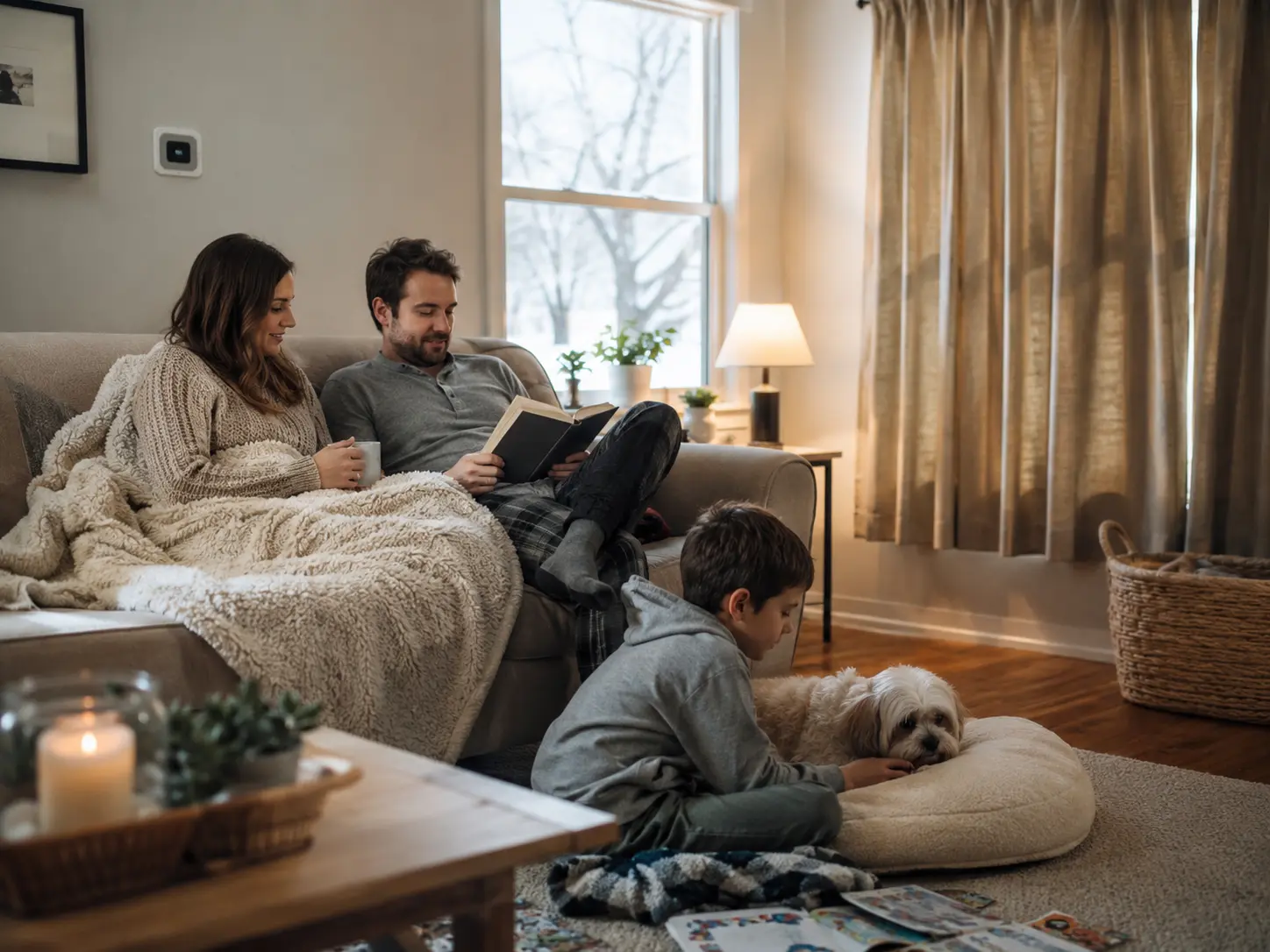
Quick Answer
To reduce heating costs without replacing your furnace, use a reasonable thermostat schedule, seal obvious drafts, replace dirty filters, keep vents clear, use sunlight during the day, close curtains at night, and maintain your heating system properly.
The best results usually come from combining several small improvements. One change may not transform your heating bill, but reducing heat loss and improving system operation can make a noticeable difference over time.
Start With Thermostat Habits
Thermostat habits are one of the easiest places to start. If the thermostat is set higher than necessary or left at the same temperature all day, the heating system may run more than needed.
A better approach is to use a comfortable setting when people are home and awake, then use modest setbacks when the home is empty or everyone is sleeping.
Thermostat habits that can help
- Use a heating schedule that matches your routine
- Lower the setting slightly when sleeping if comfort allows
- Use away settings when the home is empty for several hours
- Avoid extreme temperature changes
- Do not constantly override the schedule
- Use blankets and warmer clothing before raising the thermostat too much
Related guide: Smart Thermostat Settings That Can Reduce Energy Waste .
Seal Simple Drafts
Drafts make heating more expensive because warm indoor air escapes and cold outdoor air enters. Even a good furnace can struggle if the home is losing heat through gaps around doors, windows, attic access points, or poorly sealed openings.
Common draft locations
- Exterior door gaps
- Old or damaged weatherstripping
- Window edges
- Attic access panels
- Basement doors
- Gaps around pipes or cable penetrations
- Fireplace dampers that do not close properly
Simple weatherstripping, door sweeps, caulk, and draft stoppers can help in many areas. Use caution around combustion appliances, vents, chimneys, and anything related to required ventilation.
Replace or Clean Filters
A dirty filter can restrict airflow and make the heating system work harder. It can also reduce comfort because less warm air reaches the rooms that need it.
Filter needs vary by system, filter type, pets, dust, usage, and household conditions. Follow your furnace or HVAC documentation and check filters regularly during heavy heating months.
Filter tips
- Check filters more often during peak heating season
- Use the filter type recommended for your system
- Replace disposable filters when dirty
- Clean reusable filters according to instructions
- Do not block airflow with an overly restrictive filter if your system is not designed for it
Improve Airflow Around Vents
Blocked vents and returns can make rooms feel cold and force the system to run longer. Furniture, rugs, curtains, storage boxes, and dust buildup can all reduce airflow.
Airflow checks
- Keep supply vents open and unobstructed
- Do not block return air grilles
- Move furniture away from vents
- Vacuum dust from registers
- Keep interior doors managed based on your system design
- Avoid closing too many vents without professional guidance
Closing vents in unused rooms may seem helpful, but it can create pressure problems in some forced-air systems. If you are unsure, ask an HVAC professional before closing many vents.
Use Curtains and Sunlight Wisely
Sunlight can provide free warmth during the day, especially through sunny windows. At night, windows can become a source of heat loss, so curtains or blinds can help reduce discomfort near glass.
Simple window habits
- Open curtains on sunny windows during the day
- Close curtains after sunset
- Use heavier curtains in rooms that feel cold
- Avoid blocking vents with curtains
- Check for drafts around older windows
Window habits are not a substitute for proper insulation or high-performance windows, but they can help reduce daily heat loss and improve comfort.
Focus Heat Where People Spend Time
Not every room needs the same comfort level all day. If your household spends most time in the living room, kitchen, bedrooms, or home office, focus on improving comfort in those areas first.
Room-focused heating ideas
- Close curtains in rooms that lose heat quickly
- Keep frequently used rooms free of drafts
- Use rugs on cold floors where appropriate
- Keep doors managed to support comfort and airflow
- Avoid overheating the entire home for one cold room
- Investigate rooms that are consistently much colder than others
Related guide: How to Save Energy at Home: A Practical Room-by-Room Guide .
Do Basic Heating Maintenance
Maintenance helps the heating system operate safely and efficiently. Some tasks are simple, such as changing filters and keeping vents clear. Other tasks should be handled by qualified professionals.
Basic maintenance steps
- Replace or clean filters as needed
- Keep vents and returns clear
- Listen for unusual noises
- Watch for short cycling or weak airflow
- Keep the furnace area clear of clutter
- Schedule professional service when recommended
Do not open, modify, or repair furnace components unless you are qualified. Gas, combustion, electrical parts, and venting systems require proper training and safety procedures.
Avoid Space Heater Mistakes
Space heaters can help in limited situations, but they can also be expensive to run and may create fire risk if used improperly. They should never be treated casually.
Space heater safety and cost tips
- Use only approved heaters in good condition
- Keep heaters away from bedding, curtains, furniture, and pets
- Never leave a space heater unattended
- Do not use extension cords unless the manufacturer specifically allows it
- Use heaters only for occupied spaces
- Do not use a space heater to compensate for serious furnace problems
If a room is so cold that you depend on a space heater constantly, investigate drafts, insulation, airflow, or heating system issues.
When to Call a Professional
Some heating problems are not solved by simple habits. If the furnace is unsafe, malfunctioning, or unable to heat the home properly, professional service is necessary.
Call a qualified professional if you notice:
- Gas smells or combustion concerns
- Carbon monoxide alarm activation
- Frequent short cycling
- Unusual noises or burning smells
- Weak airflow throughout the home
- Rooms that never warm up
- Repeated breaker trips
- Visible damage, rust, or water near equipment
Safety issues should be addressed immediately. Do not try to solve gas, combustion, electrical, or venting problems with DIY adjustments.
Frequently Asked Questions
Can I reduce heating costs without replacing my furnace?
Yes. Many homes can reduce heating waste through thermostat schedules, draft sealing, filter changes, better airflow, curtain habits, and basic maintenance.
Does lowering the thermostat save money?
A modest lower setting can reduce heating runtime if comfort and safety are maintained. Extreme changes may be uncomfortable and lead to frequent overrides.
How often should I change my furnace filter?
It depends on filter type, system use, pets, dust, and manufacturer guidance. Check filters regularly during heavy heating months and replace or clean them when dirty.
Are space heaters cheaper than central heating?
Sometimes they can help heat one occupied area, but they can be costly and risky if used constantly or improperly. Safety and device ratings matter.
Why is one room colder than the rest of the house?
Possible causes include poor airflow, blocked vents, duct issues, drafts, weak insulation, window heat loss, or thermostat placement.
Final Thoughts
You do not always need a new furnace to reduce heating costs. Start with the basics: use a better thermostat schedule, seal obvious drafts, keep filters clean, improve airflow, and focus comfort where people spend time.
If the system still struggles, makes unusual noises, smells unsafe, or cannot heat the home properly, stop guessing and contact a qualified professional. Efficiency matters, but heating safety comes first.
Continue reading: Smart Thermostat Settings That Can Reduce Energy Waste .