Energy Saving
Simple Weekend Projects That Can Improve Home Energy Efficiency
Improving home energy efficiency does not always require a major renovation, a new HVAC system, solar panels, or expensive equipment. Many useful improvements start with simple weekend projects that reduce waste, improve comfort, and help you understand how your home uses energy.
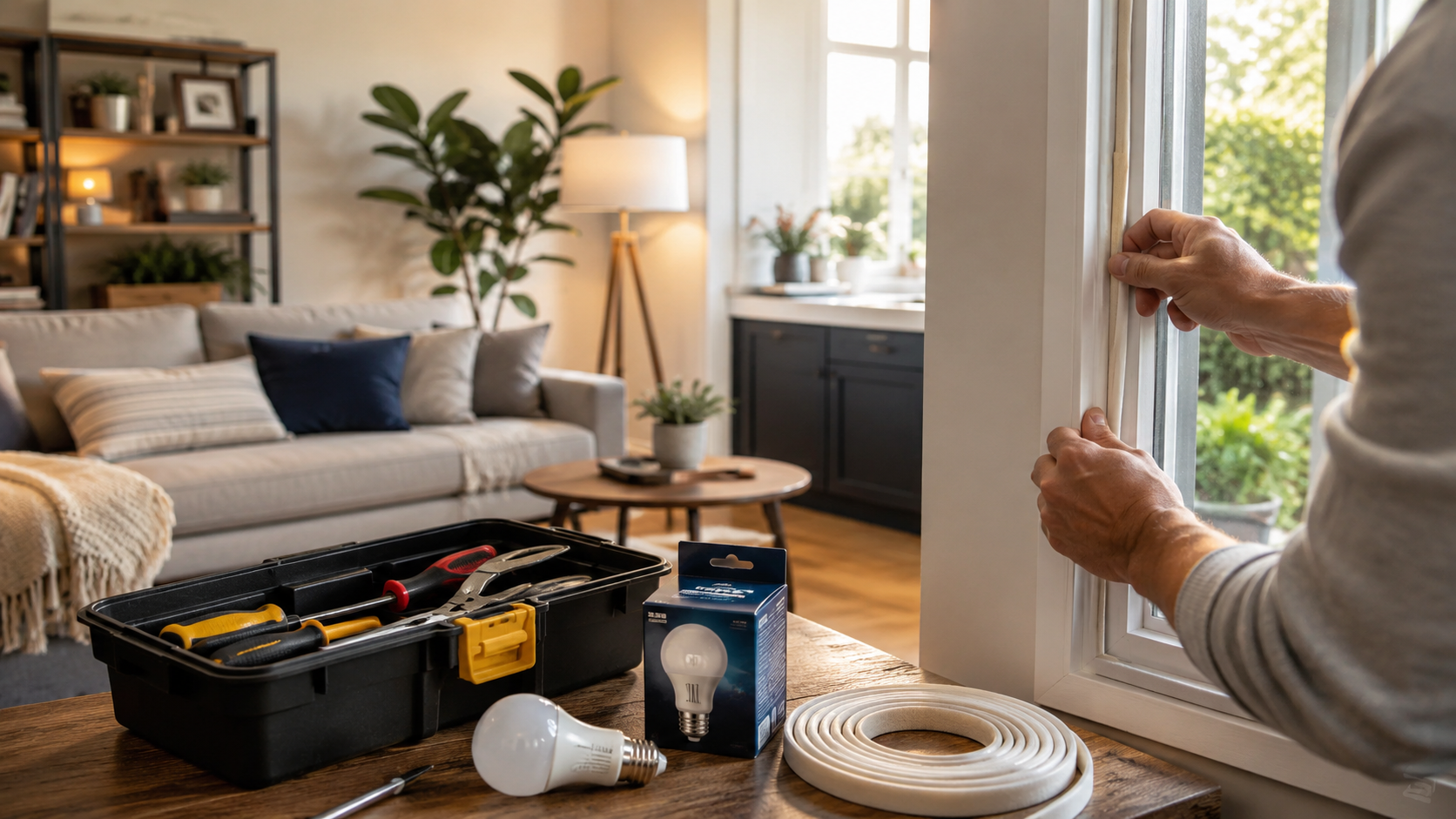
The best weekend projects are practical, safe, and focused on common sources of energy loss: drafts, poor airflow, inefficient lighting, unnecessary electronics, heat gain, appliance habits, and basic maintenance. This guide explains several simple projects homeowners and renters can consider before moving on to larger upgrades.
Start With a Room-by-Room Energy Walkthrough
Before buying products, spend one weekend walking through your home with a simple checklist. This helps you find repeated sources of energy waste that are easy to overlook during a normal week.
Walk through each room during the day and again in the evening. Look for lights left on, electronics running idle, blocked vents, drafty windows, direct sun exposure, appliances producing heat, and rooms that feel warmer or colder than the rest of the home.
What to check during the walkthrough
- Lights that stay on in empty rooms
- Old bulbs in frequently used fixtures
- Vents blocked by furniture, rugs, or curtains
- Drafts around doors, windows, attic access, or exterior walls
- Electronics that remain on or idle for long periods
- Rooms with strong afternoon sunlight and heat buildup
- Appliances that appear to run constantly or unusually long
This first project costs nothing and gives you a practical map of what to improve. It also helps prevent wasting money on products that do not address your real energy problems.
Related guide: How to Save Energy at Home: A Practical Room-by-Room Guide .
Replace High-Use Bulbs With LEDs
Replacing every bulb at once is not always necessary. A smarter weekend project is to focus first on high-use fixtures: kitchen lights, living room lamps, bathroom lights, hallway lights, porch lights, and home office lighting.
LED bulbs typically use less electricity than older incandescent bulbs and produce less heat. This can be especially useful in rooms where lights stay on for several hours a day.
How to prioritize bulb replacement
- Start with bulbs used every day.
- Match brightness to the room’s actual needs.
- Choose a comfortable color temperature for each space.
- Check dimmer compatibility before using dimmable fixtures.
- Keep old working bulbs as temporary backups if appropriate.
Do not modify wiring or fixtures unless you are qualified. If a fixture flickers, overheats, smells unusual, or has damaged wiring, stop using it and contact a qualified electrician.
Related guide: LED Bulbs vs Incandescent Bulbs: Cost, Energy Use, and Lifespan .
Check Vents, Registers, and Airflow
Poor airflow can make heating and cooling less effective. If furniture, rugs, curtains, or storage boxes block vents and return grilles, conditioned air may not circulate properly. That can make rooms uncomfortable and encourage unnecessary thermostat changes.
This is a simple weekend project because it usually involves inspection, cleaning, and rearranging rather than buying equipment.
Basic airflow tasks
- Make sure supply vents are open and unobstructed.
- Keep return grilles clear of furniture and dust buildup.
- Vacuum visible dust from vent covers.
- Check whether curtains or rugs block airflow.
- Notice rooms that remain uncomfortable despite open vents.
If your HVAC system has weak airflow, unusual noises, leaks, freezing, burning smells, or frequent cycling, do not treat that as a basic DIY project. Contact a qualified HVAC professional.
Reduce Small Drafts Around Doors and Windows
Drafts can increase heating and cooling demand by allowing outdoor air to enter and conditioned air to escape. Some draft issues require professional repair, but small gaps around doors and windows may be manageable with simple, temporary, or manufacturer-approved products.
Renters should check lease rules before applying adhesive products, films, or hardware. Homeowners should still follow product instructions and avoid blocking required ventilation.
Renter-friendly and homeowner-friendly options
- Use removable draft stoppers at the bottom of exterior doors.
- Check weatherstripping for obvious damage.
- Use temporary window insulation products only where appropriate.
- Close and latch windows properly.
- Use curtains to improve comfort near drafty windows.
Avoid sealing anything that may be required for ventilation, combustion air, or appliance operation. If you are unsure whether an opening is necessary, ask a qualified professional before sealing it.
Related guide: How to Lower Your Energy Bill as a Renter .
Improve Sunlight and Heat Control
Sunlight can be useful in some seasons and costly in others. During hot weather, direct sun can increase indoor heat gain and make cooling systems work harder. During colder months, sunlight may help warm certain rooms during the day.
A simple weekend project is to observe which rooms receive the most sun and adjust curtains, blinds, shades, or furniture placement accordingly.
Sunlight control ideas
- Close blinds before peak afternoon heat in sunny rooms.
- Open coverings when daylight helps without overheating the room.
- Use lighter curtains to reflect heat where appropriate.
- Move seating away from intense direct sun if it causes discomfort.
- Use exterior shade only if safe and allowed.
Sunlight control is especially useful because it does not require changing mechanical systems. It is a behavior and comfort project that can reduce cooling demand when used consistently.
Organize Electronics and Standby Loads
Many homes have electronics scattered across rooms: TVs, game consoles, streaming devices, chargers, speakers, printers, monitors, routers, and small appliances. Each device may not use much energy alone, but unnecessary standby use can add up.
Use one weekend to organize devices and identify what truly needs to remain plugged in all the time.
Electronics cleanup tasks
- Unplug chargers that are not being used.
- Enable sleep mode on computers, monitors, and TVs.
- Use safe power strips for grouped entertainment or desk equipment.
- Turn off speakers, consoles, and printers when not needed.
- Remove or recycle unused electronics responsibly.
Do not overload outlets or power strips. Avoid using extension cords as permanent wiring. If outlets spark, feel hot, smell unusual, or trip breakers repeatedly, contact a qualified electrician.
Improve Laundry and Drying Habits
Laundry is a practical weekend focus because it involves repeated habits. Washing temperature, load size, drying time, lint buildup, and dryer airflow can all affect energy use.
Laundry projects to complete this weekend
- Clean the dryer lint filter before every load.
- Check whether clothes are taking unusually long to dry.
- Use cold water for suitable laundry loads.
- Run full loads when practical.
- Air-dry items when allowed and appropriate.
Long drying times may indicate overloaded loads, clogged lint filters, restricted vents, or equipment issues. Dryer vent problems can create fire risks, so persistent drying issues should not be ignored.
Inspect Refrigerator and Freezer Habits
Refrigerators and freezers run every day, which makes them worth a weekend check. You do not need to disassemble anything. Focus on visible, safe checks and simple habits.
Refrigerator efficiency checks
- Make sure doors close fully.
- Check seals for obvious dirt, damage, or gaps.
- Avoid blocking internal airflow with overloaded shelves.
- Let hot food cool safely before refrigerating.
- Review whether an old second refrigerator is truly needed.
If the refrigerator runs constantly, fails to cool, leaks, makes unusual sounds, or has damaged seals, the issue may require repair or replacement. Renters should report appliance problems to the property manager or landlord.
Review Your Thermostat Routine
A thermostat can only help if the settings match your routine. One useful weekend project is to review how your household actually uses heating and cooling during mornings, work hours, evenings, sleep, and travel.
Thermostat review questions
- Is the system heating or cooling an empty home?
- Are settings more aggressive than needed?
- Does direct sunlight affect the thermostat?
- Are fans being used to improve comfort in occupied rooms?
- Would a schedule help reduce unnecessary runtime?
If you have a programmable or smart thermostat, review the schedule and holds. Many people set schedules once and forget them, even after their routine changes.
Related guide: Smart Thermostat vs Programmable Thermostat: Which One Is Better? .
Weekend Project Checklist
Use this checklist to plan one practical weekend of energy improvements:
- Walk through every room and note obvious energy waste.
- Replace high-use bulbs with LEDs where appropriate.
- Clear vents, returns, and registers.
- Check for small drafts around doors and windows.
- Adjust curtains or blinds for heat and sunlight control.
- Organize chargers, electronics, and power strips.
- Enable sleep settings on computers, monitors, and TVs.
- Clean dryer lint filters and review drying habits.
- Check refrigerator seals and door habits.
- Review thermostat schedules and daily routines.
What Not to Treat as a Simple Weekend Project
Some tasks are not appropriate for casual DIY work. Energy efficiency should not compromise safety, code compliance, equipment operation, or building integrity.
- Do not modify electrical wiring unless qualified.
- Do not repair HVAC equipment unless qualified.
- Do not work on gas appliances without proper licensing.
- Do not block required ventilation or combustion air openings.
- Do not perform roof, attic, or insulation work without proper safety planning.
- Do not ignore moisture, mold, leaks, burning smells, sparks, or tripped breakers.
If a project involves electrical systems, HVAC equipment, gas appliances, structural changes, insulation, moisture problems, or safety-sensitive work, consult a qualified professional.
Frequently Asked Questions
Can weekend projects really improve home energy efficiency?
Yes. Simple weekend projects can reduce energy waste when they target common issues such as drafts, inefficient lighting, blocked vents, poor appliance habits, sunlight heat gain, and unnecessary standby power.
What is the easiest weekend energy project to start with?
A basic room-by-room walkthrough is usually the easiest starting point. It helps you identify lighting waste, blocked vents, drafty areas, electronics left on, appliance habits, and rooms with comfort problems.
Are energy efficiency projects expensive?
Not always. Many useful projects are low-cost or free. Examples include adjusting curtains, clearing vents, enabling sleep modes, improving laundry habits, checking refrigerator seals, and replacing only the most-used bulbs first.
Which energy projects should not be DIY?
Electrical wiring, HVAC repairs, gas appliance work, structural changes, roof work, major insulation installation, and safety-sensitive repairs should be handled by qualified professionals.
Should renters do weekend energy projects?
Yes, but renters should focus on temporary, reversible, and lease-approved changes. They should avoid permanent modifications unless they have permission from the property owner or manager.
Final Thoughts
Simple weekend projects can be a practical starting point for improving home energy efficiency. You do not need to begin with expensive upgrades. Start by finding waste, improving habits, clearing airflow problems, managing sunlight, reducing standby loads, and checking basic appliance behavior.
Once you understand where energy is being wasted, larger upgrades become easier to evaluate. That makes your next step more informed, safer, and more likely to fit your actual home.
Continue reading: How to Lower Your Energy Bill as a Renter .