Smart Home Devices
Best Smart Home Devices for Lowering Energy Use
Smart home devices can make a home more convenient, but convenience alone does not always reduce energy use. The best smart home devices for lowering energy use are the ones that help control major sources of waste, make everyday habits easier to manage, and provide useful information about how your home actually operates.
In many homes, the biggest opportunities come from heating and cooling, lighting, scheduling, and devices that stay on longer than necessary. Smart devices can help in these areas, but they work best when paired with a clear goal. Buying smart devices without understanding the problem first often leads to extra cost without meaningful savings.
Quick Answer
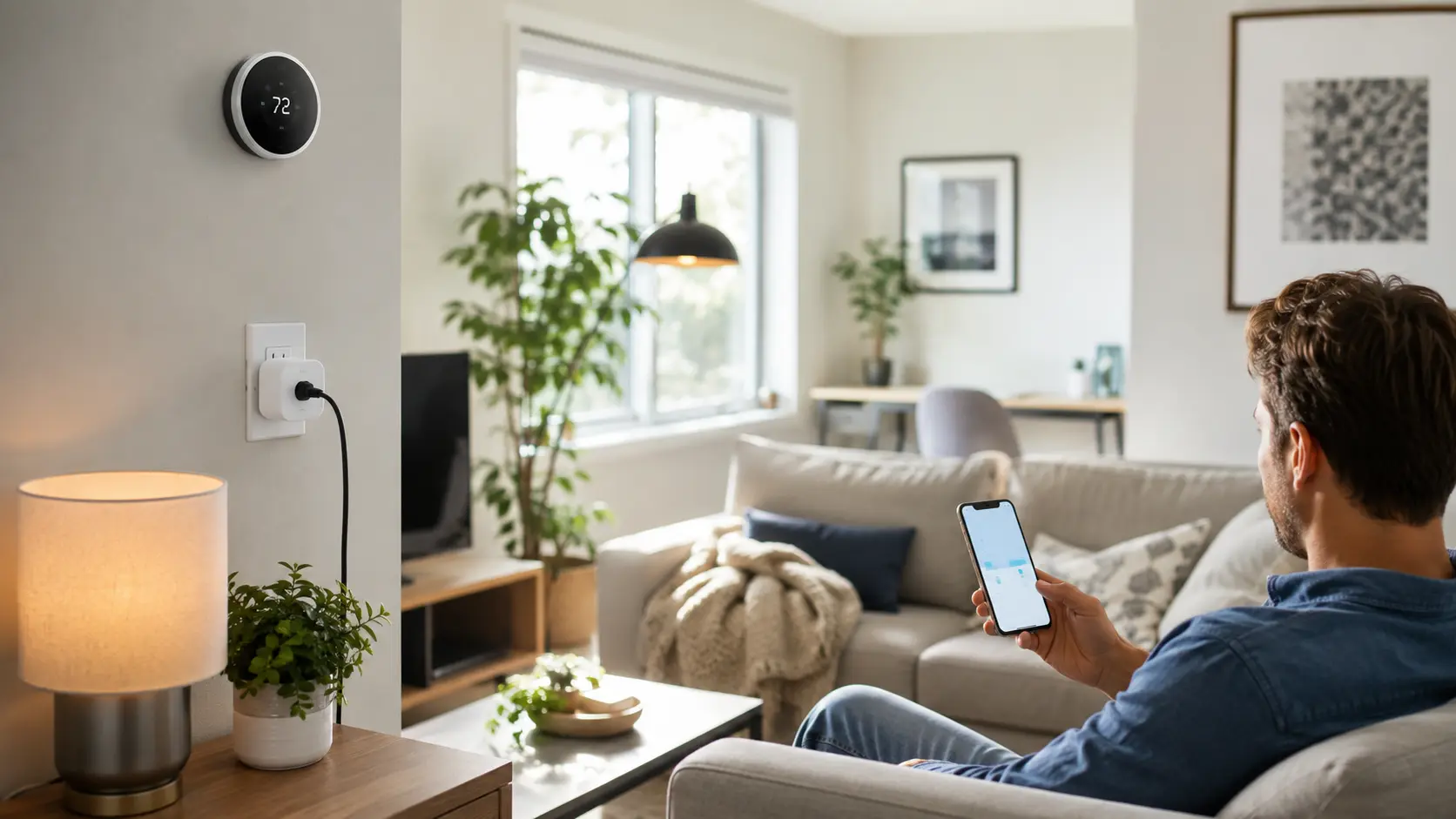
The best smart home devices for lowering energy use are usually smart thermostats, smart plugs, smart lighting controls, occupancy sensors, and home energy monitoring tools. These devices are helpful because they either reduce unnecessary runtime, improve scheduling, or show where energy is being wasted.
The most effective smart device depends on the home. If heating and cooling are the biggest issue, a smart thermostat may help the most. If lights or electronics are often left on, smart lighting or smart plugs may provide better value.
What Makes a Smart Device Useful for Energy Savings?
Not every smart device saves energy. Some are mainly about convenience, entertainment, or automation without measurable efficiency benefits. A smart home device is most useful for energy savings when it helps you do one or more of the following:
- Reduce unnecessary heating or cooling
- Turn things off automatically when not needed
- Schedule equipment more efficiently
- Monitor actual energy use
- Improve control in rooms with inconsistent habits
- Reduce standby waste or forgotten runtime
A device should solve a repeated problem, not just add another app to your phone. If there is no clear energy-related problem to fix, the smart device may not be worth the cost.
1. Smart Thermostats
In many homes, heating and cooling are among the largest parts of energy use. That is why smart thermostats are often one of the most valuable smart home upgrades for reducing waste.
A smart thermostat can help by making temperature scheduling easier, adjusting settings based on occupancy patterns, and giving better visibility into heating and cooling behavior. Some systems also provide usage reports or alerts that help homeowners notice inefficient habits.
Why smart thermostats can help
- Easier scheduling than many basic programmable thermostats
- Better control when household routines change
- Improved consistency for setback temperatures
- Potential to reduce unnecessary runtime
- Helpful insights into HVAC behavior
They are most useful in homes where people regularly forget to adjust temperatures, maintain unrealistic settings, or have schedules that change often.
Related guides: Smart Thermostat vs Programmable Thermostat: Which One Is Better? and Energy-Saving Myths That Can Actually Cost You Money .
2. Smart Plugs
Smart plugs are simple but often useful. They can help control lamps, chargers, decorative lighting, desk setups, and some entertainment devices. Their value comes from scheduling and remote control rather than from “magic” energy savings.
A smart plug is most helpful when it prevents repeated waste, such as devices being left on overnight or accessories drawing power when they are not needed.
Good uses for smart plugs
- Turning lamps off automatically at bedtime
- Scheduling decorative lights
- Powering down small desk accessories after work
- Reducing standby waste from some electronics
- Monitoring small-device consumption on supported models
They are less useful when used on devices that already consume very little power or need to remain on continuously.
Related guide: Are Smart Plugs Worth It for Saving Energy? .
3. Smart Lighting Controls
Lighting is not usually the biggest energy expense in a home, but smart lighting can still reduce waste when people regularly leave lights on. The best options are often smart switches, timers, or room-based controls, depending on the layout and household habits.
Smart lighting works best when it helps limit unnecessary use rather than encouraging more lighting simply because it feels convenient.
Helpful smart lighting features
- Schedules for outdoor and indoor lighting
- Automatic shutoff
- Room-based scenes that reduce over-lighting
- Integration with motion or occupancy sensors
- Remote control for forgotten lights
In many homes, combining LED bulbs with better lighting control offers more value than buying decorative smart lighting features alone.
4. Occupancy and Motion Sensors
Occupancy and motion sensors can help in spaces where lights, fans, or ventilation are often left running longer than necessary. These devices are especially useful in bathrooms, laundry rooms, garages, hallways, closets, and utility spaces.
Sensors reduce waste by making shutoff more automatic. They are not ideal for every room, but in the right spaces they can make a noticeable difference with very little effort.
Good places for occupancy or motion sensors
- Bathrooms
- Laundry rooms
- Garages
- Closets
- Hallways
- Basements
The best results come from placing them where people tend to forget to turn things off, not where precise manual control is constantly needed.
5. Smart Shades or Blinds
Smart shades or blinds can help manage solar heat gain and daylight. In homes with significant sun exposure, they may reduce unwanted summer heat and support passive warming or natural light use in cooler periods.
These are not always the first smart device to buy, but they can be meaningful in rooms that overheat in direct sun or where people rarely adjust window coverings manually.
When smart shades may help
- Rooms with strong afternoon sun
- Large uncovered windows
- Spaces that overheat in summer
- Homes trying to balance comfort and daylight
Their value depends heavily on climate, window orientation, and existing shading habits.
6. Smart Ceiling Fan or Fan Controls
Fans do not cool the air, but they can improve comfort and help people rely less on aggressive thermostat settings in some situations. Smart fan controls can help schedule operation, coordinate with room use, and reduce unnecessary runtime.
Fan controls make the most sense when comfort is the issue and the goal is to support better heating or cooling habits, not replace safe HVAC operation.
Potential benefits of smart fan controls
- Better comfort in occupied rooms
- Schedules that avoid all-day fan operation
- Convenient control in bedrooms and living spaces
- Support for more balanced thermostat behavior
Fans should be turned off in unoccupied rooms unless there is another specific reason to keep them running.
7. Home Energy Monitoring Devices
Some of the best smart devices do not reduce energy use directly. Instead, they help you identify where the waste is happening. Whole-home energy monitors and device-level monitoring tools can provide insight into usage patterns, large loads, and unusual consumption.
This kind of visibility can be extremely valuable if your electricity bill seems higher than expected or if you are trying to decide what to improve first.
Why monitoring tools matter
- They show patterns instead of forcing you to guess
- They can reveal hidden runtime or standby waste
- They help prioritize bigger problems first
- They can support better equipment decisions later
Related guide: How to Read Your Electricity Bill and Spot Energy Waste .
How to Choose the Right Smart Devices
Before buying anything, it helps to identify the actual waste problem in your home. The right smart home device depends on whether the issue is heating and cooling, lighting, scheduling, standby power, lack of insight, or inconsistent habits.
Useful questions to ask before buying
- What energy problem am I trying to solve?
- Will this device reduce unnecessary runtime?
- Will it be used consistently?
- Is it compatible with my home and equipment?
- Does it provide real control or only convenience?
- Is the cost reasonable compared with the likely benefit?
- Does it come from a reputable brand with update support?
Start with the most repeated source of waste, not the most interesting device. A less flashy device that solves a clear problem is usually more valuable than a feature-rich device with no real purpose.
Privacy and Cybersecurity Considerations
Smart home devices are connected devices, and that means they should be treated as part of your home network. Convenience should not come at the cost of weak account security or neglected firmware updates.
Smart home security basics
- Use strong, unique passwords
- Enable multi-factor authentication when available
- Keep apps and firmware updated
- Prefer reputable brands with a history of support
- Review device permissions and account sharing
- Consider an IoT or guest network if supported
- Remove devices from your account before disposal or resale
Devices that are poorly maintained or unsupported can create risk over time. Security is part of good smart home planning.
What to Avoid
Smart home devices can help, but there are several mistakes to avoid if your goal is lower energy use.
- Do not buy devices without a specific energy-related purpose.
- Do not assume “smart” automatically means efficient.
- Do not ignore device compatibility and electrical limits.
- Do not use high-risk devices in unsafe ways.
- Do not expect small devices to solve large building-efficiency problems.
- Do not focus on minor loads while ignoring heating, cooling, or insulation issues.
In some homes, the biggest gains may come from sealing drafts, adjusting thermostat habits, improving maintenance, or upgrading lighting before adding more smart hardware.
Related guides: How to Save Energy at Home: A Practical Room-by-Room Guide and Simple Weekend Projects That Can Improve Home Energy Efficiency .
Frequently Asked Questions
What smart home devices save the most energy?
Smart thermostats, smart lighting controls, occupancy sensors, and well-used smart plugs are often the most practical smart home devices for lowering energy use. Their value depends on the home, the devices they control, and how they are used.
Are smart home devices worth it for lowering energy use?
They are worth it when they solve a real problem such as unnecessary heating and cooling, lights left on, wasted runtime, or lack of visibility into household energy use.
Do smart devices use electricity themselves?
Yes. Smart devices use some electricity for standby operation, connectivity, and sensors. They should ideally create more benefit than the energy they consume.
Which smart device should I start with?
Start with the device that addresses the largest or most repeated waste problem in your home. For many households, that is a thermostat, lighting control, or smart plug with a clear purpose.
Are energy monitors worth it?
They can be very useful when you do not know where energy is being wasted. Monitoring can help you make better decisions and avoid guessing.
Final Thoughts
The best smart home devices for lowering energy use are the ones that solve specific problems in a practical way. Smart thermostats, smart plugs, lighting controls, occupancy sensors, smart shades, and monitoring tools can all be useful, but they are not equally helpful in every home.
The smartest approach is to start with your habits and your biggest sources of waste. Once you understand what is actually driving energy use, smart devices become much easier to choose and far more likely to deliver real value.
Continue reading: Are Smart Plugs Worth It for Saving Energy? .